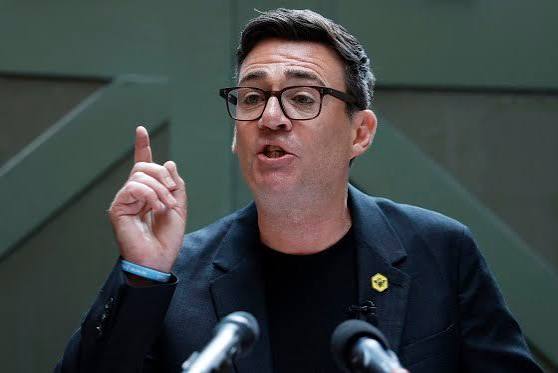
Andy Burnham, has been urged to take a radical approach to the economy in order to help Labour win the next general election. The call comes from within Labour's own ranks, with some senior figures arguing that the party's traditional policies are no longer effective in the face of rising costs and stagnant wages. The Mayor's economic policies have been a key area of focus for Labour, with some arguing that his approach is too cautious and needs to be more ambitious. Mr Burnham has been a key figure in the party's efforts to rebrand itself as a champion of the North, and his economic policies have been seen as a key part of this strategy.
The call for a more radical approach to the economy comes as Labour's poll ratings continue to lag behind those of the Conservative Party. Despite this, Labour remains optimistic about its chances of winning the next election, and is pushing ahead with plans to increase spending on key areas such as healthcare and education. The party's leadership is also keen to stress its commitment to reducing inequality and promoting social justice, and sees its economic policies as a key part of this agenda. However, some critics have argued that Labour's approach is too focused on short-term gains and needs to be more focused on long-term sustainability.
The call for a more radical approach to the economy is the latest development in a long-running debate within Labour about the party's economic policies. The party's traditional approach has been based on a mix of state intervention and public spending, but some argue that this is no longer effective in the face of rising costs and stagnant wages. Instead, they argue that Labour needs to adopt a more radical approach that prioritises investment in key areas such as education and training, and uses tax credits and other forms of support to help low-income households. This approach would be a significant shift for Labour, which has traditionally been seen as a party of high taxation and public spending.
The implications of a more radical approach to the economy are likely to be significant, and would need to be carefully managed by Labour's leadership. If implemented successfully, it could help to boost the party's poll ratings and improve its chances of winning the next election. However, if it fails to deliver, it could also damage the party's reputation and undermine its ability to govern. The decision on how to proceed will be a key test of Labour's leadership, and will be closely watched by voters and commentators alike.
Discussion
No comments yet
Be the first to share your thoughts.
Join the discussion