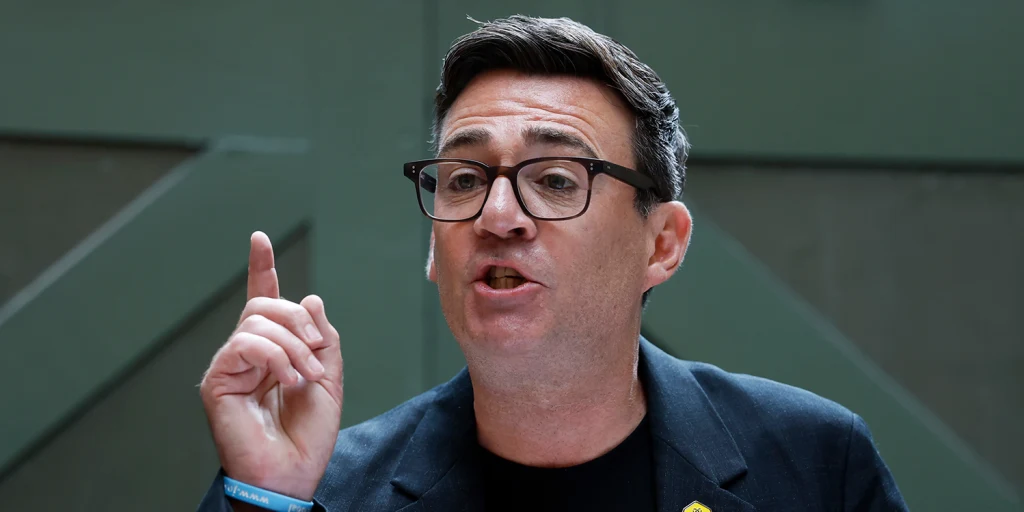

Celtic leaders across Scotland, Wales, and Northern Ireland have expressed strong skepticism regarding Andy Burnham’s ambitious UK-wide devolution strategy. Political figures and experts outside England argue that the proposals, anchored by a plan for a new "No. 10 North" hub-fail to grasp the distinct constitutional realities of the devolved nations. Rather than treating Scotland, Wales, and Northern Ireland as distinct entities with their own parliaments, critics warn that the strategy treats them merely as standard English regions, inadvertently creating severe institutional friction.
The primary backlash stems from the vow to bypass central devolved administrations by pushing resources directly down to local councils. Political commentators and SNP ministers have pointed out that a UK Prime Minister lacks the constitutional power to reorganise local government in Scotland, as that authority rests solely with the Scottish Parliament at Holyrood. In Wales, the strategy has exposed a rift within the Labour Party; local governance experts note that while some factions want to address "unfinished business" like devolving the crown estate and the justice system, others prefer bypassing the Senedd entirely, a move branded by critics as inherently "anti-devolution.
Ultimately, there is growing concern that this English-centric model will end up "balkanising" local government rather than unifying it. By promising to empower specific communities because they feel distant from their own national capitals, the approach risks weakening the central authority of the devolved nations. Without a distinct pivot that respects national borders rather than regional boundaries, Celtic leaders warn that this "devolution revolution" will completely fail to find traction beyond England.
Discussion
No comments yet
Be the first to share your thoughts.
Join the discussion