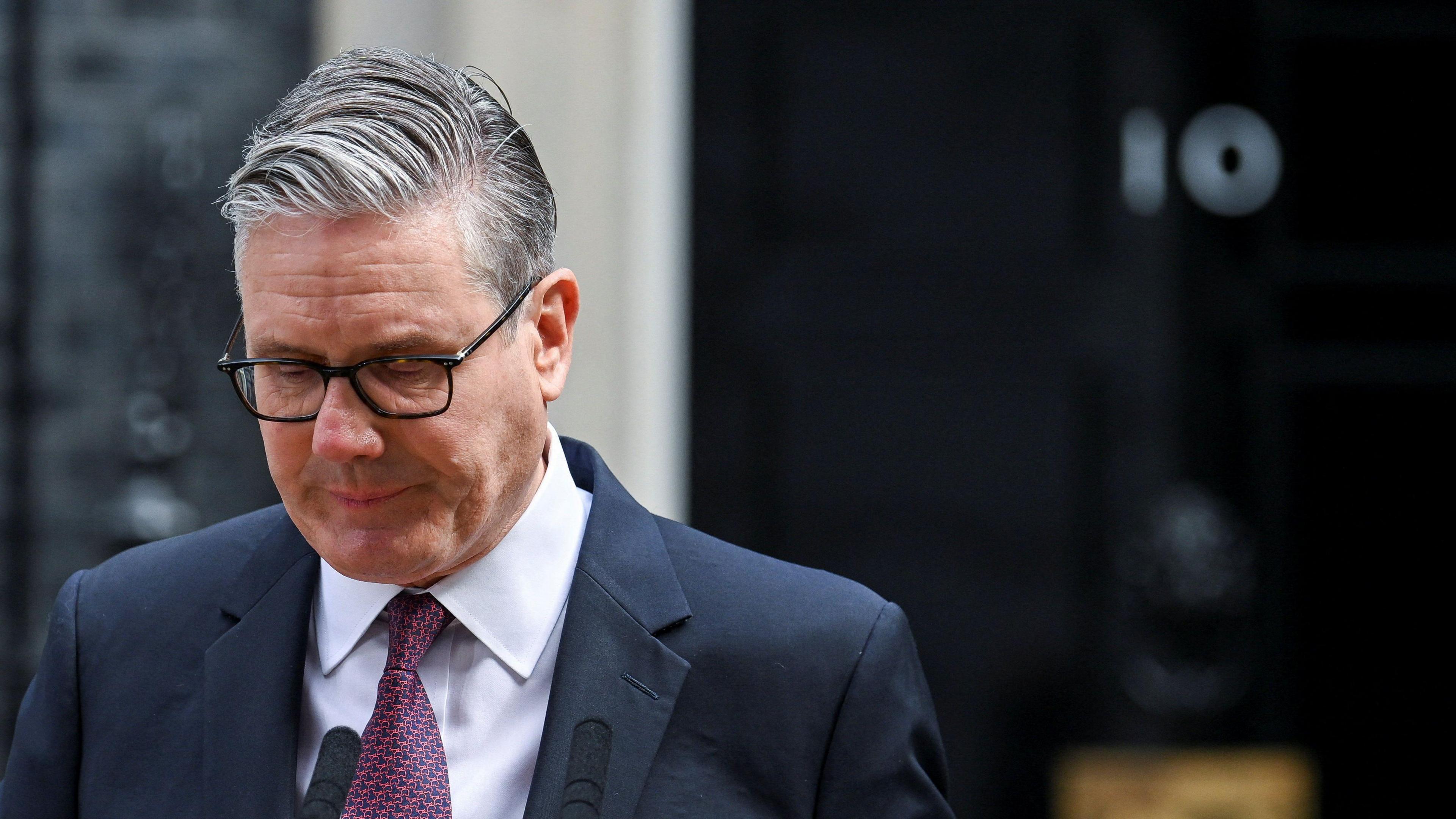

Prime Minister Sir Keir Starmer has unveiled an additional £15 billion for the UK armed forces while warning that the military budget cannot become a "bottomless pit." Unveiled in a key speech at Malloy Aeronautics, the Defence Investment Plan (DIP) outlines a total four-year funding package of £298 billion. The blueprint sets military expenditure on a trajectory to reach nearly £80 billion annually by 2029, climbing from 2.3% to 2.7% of GDP. This constitutes a 27% real-terms funding surge designed to prepare the nation for an increasingly dangerous global landscape.
The framework prioritises structural modernization by allocating £5 billion specifically toward drones, artificial intelligence, and autonomous weapons systems. Under the strategy, the Royal Navy will transition into a "hybrid navy" integrating uncrewed vessels with conventional warships, while funding is secured for six new vessels. Officials project that the manufacturing demand generated by this plan will create nearly 60,000 skilled jobs across the UK domestic supply chain by the end of the decade.
To fund this expansion without growing the national deficit, the government has axed several high-profile road infrastructure and green energy projects. Starmer defended these trade-offs, asserting that the single most vital obligation of his administration is to secure a credible deterrent against rising international aggression. He emphasized that the era of inefficiently pouring unvetted cash into defense is over, meaning the military must "spend better" moving forward.
Despite the historic injection of funds, the financial settlement has triggered immediate political blowback. Military chiefs and defense officials warned that the £15 billion represents only half of the £28 billion required to properly address existing hardware shortages and meet baseline NATO expectations. The shortfall has already caused major internal friction, prompting the recent resignation of Defence Secretary John Healey, while political opponents have criticized the plan for short-changing national security.
Follow us on X for further updates.
Discussion
2 comments
Join the discussion