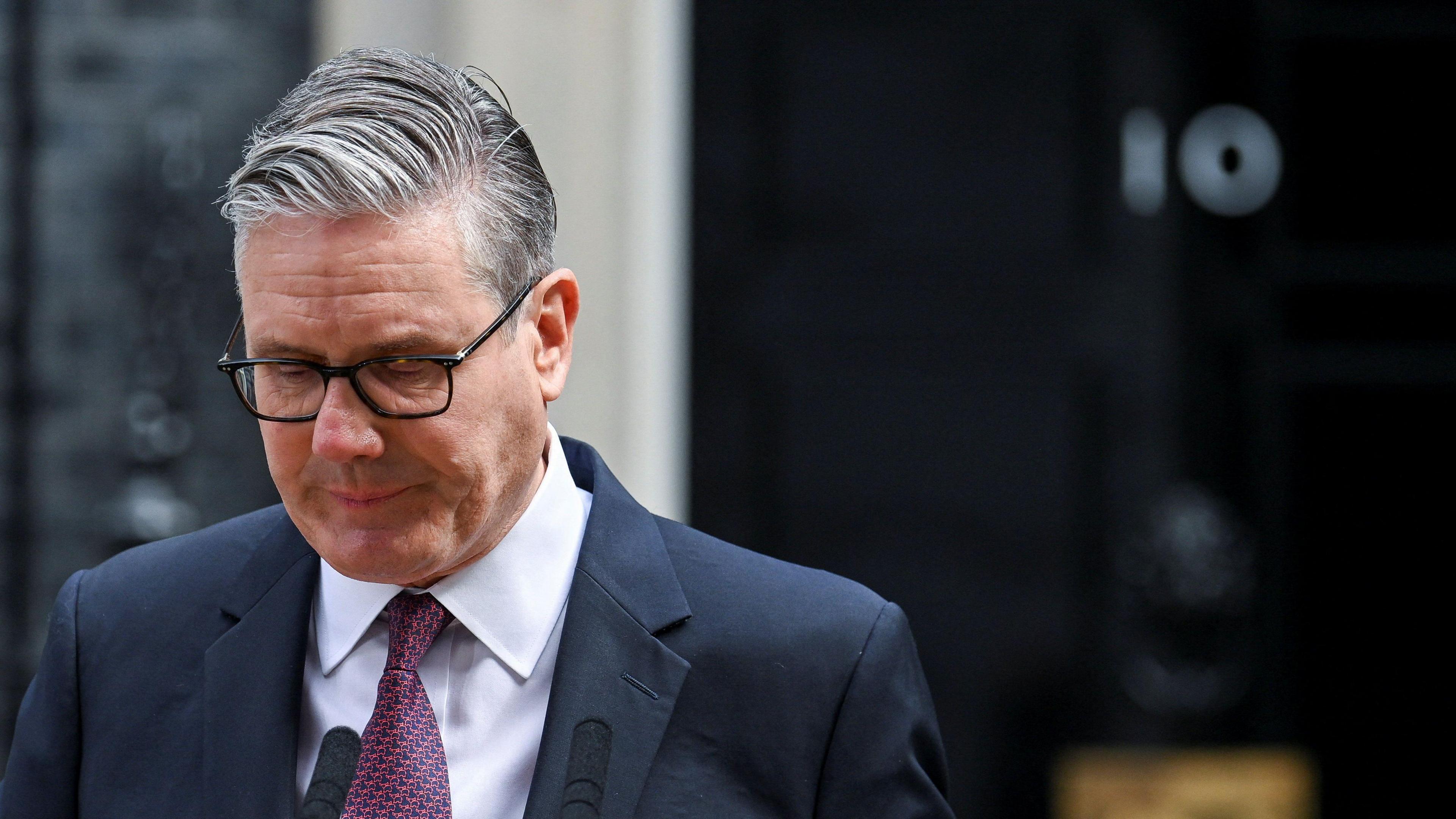

UK Prime Minister Sir Keir Starmer will deliver a formal state apology in the House of Commons to the victims of Britain’s historical forced adoption scandal. Between 1949 and 1976, an estimated 185,000 babies born to unmarried mothers in England and Wales were systematically taken and placed for adoption. This historic announcement, delivered personally by the Prime Minister, marks a critical turning point as the British state explicitly takes responsibility for its role in enabling and overseeing these traumatic practices.
The decision follows decades of tireless campaigning by mothers, adult adoptees, and their families who suffered from the cruel postwar policies. Driven by societal shame surrounding pregnancy outside of marriage, public institutions, councils, and state employees routinely coerced vulnerable, often teenage, mothers into giving up their newborns. Prior to the speech, Starmer will meet with survivor groups at 10 Downing Street to directly acknowledge the lifelong trauma, guilt, and lingering pain inflicted upon multiple generations.
This full state apology represents a major shift from previous administrations. In recent years, successive governments resisted making a formal declaration, arguing that the state did not actively support the practices and offering apologies only "on behalf of society". However, a landmark parliamentary inquiry by the Joint Committee on Human Rights (JCHR) explicitly concluded that government decisions directly shaped the abusive environment. The pressure intensified after the Church of England issued its own apology for its "shameful" role in running the mother-and-baby homes where many of these forced separations occurred.
While the upcoming announcement is a massive victory for campaigners, survivor advocacy groups emphasize that words alone are not enough. Activists are calling on the government to follow the formal apology with a commitment to meaningful, actionable redress. This includes demanding improved access to historical adoption records, specialised trauma-informed healthcare, and support services for families attempting to navigate contact and reunions.
Furthermore, the government faces growing pressure to consider financial compensation models. The parliamentary inquiry urged ministers to rigorously assess how other countries, such as Australia and Ireland, handled historical forced adoptions by establishing robust financial redress schemes alongside their official apologies. As Starmer prepares to deliver his address, the focus will not only be on his recognition of past horrors but also on whether the state will provide the resources necessary to help survivors truly heal.
Discussion
No comments yet
Be the first to share your thoughts.
Join the discussion