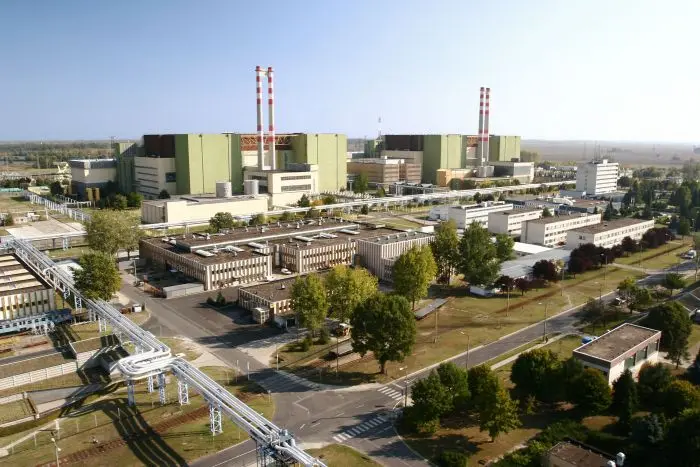

The Danube River's record low levels have forced the shutdown of Hungary's only nuclear plant, officials stated today. The Paks nuclear plant, located in central Hungary, is understood to have been shut down due to the shallow water levels of the Danube, which are crucial for cooling the reactors. The shutdown is expected to have significant implications for Hungary's energy supply, particularly during a period of severe drought that has gripped Europe. It is understood that the plant's operators took the decision to shut down the reactors as a precautionary measure, given the low water levels. The Danube's water levels have been declining steadily over the past few months, with the river now at its lowest level on record. The shutdown of the Paks plant is likely to exacerbate Hungary's energy crisis, which has been worsened by the drought. The country's energy officials are now working to mitigate the impact of the shutdown, but it is unclear how long the plant will remain offline. The shutdown of the Paks plant is a major blow to Hungary's energy sector, which is heavily reliant on nuclear power. The country's energy officials have been warning of a potential energy crisis for several months, and the shutdown of the Paks plant is a major contributor to this crisis. The Danube's water levels are a critical factor in the operation of the Paks plant, and the shutdown is a direct result of the low water levels.
The Danube's record low levels have been attributed to a combination of factors, including a prolonged drought and the effects of climate change. The drought has had a devastating impact on Hungary's agriculture sector, with many farmers reporting significant crop losses due to the lack of rainfall. The drought has also had a major impact on the country's water supply, with many households facing restrictions on their water usage. The shutdown of the Paks plant is likely to have a major impact on Hungary's economy, particularly in the short term. The country's energy officials are now working to mitigate the impact of the shutdown, but it is unclear how long the plant will remain offline. The shutdown of the Paks plant is a major blow to Hungary's energy sector, which is heavily reliant on nuclear power. The country's energy officials have been warning of a potential energy crisis for several months, and the shutdown of the Paks plant is a major contributor to this crisis. The Danube's water levels are a critical factor in the operation of the Paks plant, and the shutdown is a direct result of the low water levels.
The shutdown of the Paks plant is a major concern for Hungary's energy officials, who are now working to mitigate the impact of the shutdown. The country's energy officials are exploring alternative sources of energy, including coal and gas, to meet the country's energy needs. However, these alternatives are likely to be more expensive than nuclear power, and the shutdown of the Paks plant is likely to have a major impact on Hungary's energy costs. The shutdown of the Paks plant is also a major concern for the country's economy, particularly in the short term. The country's energy officials are now working to mitigate the impact of the shutdown, but it is unclear how long the plant will remain offline. The shutdown of the Paks plant is a major blow to Hungary's energy sector, which is heavily reliant on nuclear power. The country's energy officials have been warning of a potential energy crisis for several months, and the shutdown of the Paks plant is a major contributor to this crisis.
The Danube's water levels are a critical factor in the operation of the Paks plant, and the shutdown is a direct result of the low water levels. The shutdown of the Paks plant is a major concern for Hungary's energy officials, who are now working to mitigate the impact of the shutdown. The country's energy officials are exploring alternative sources of energy, including coal and gas, to meet the country's energy needs. However, these alternatives are likely to be more expensive than nuclear power, and the shutdown of the Paks plant is likely to have a major impact on Hungary's energy costs. The shutdown of the Paks plant is also a major concern for the country's economy, particularly in the short term. The country's energy officials are now working to mitigate the impact of the shutdown, but it is unclear how long the plant will remain offline.
Discussion
No comments yet
Be the first to share your thoughts.
Join the discussion