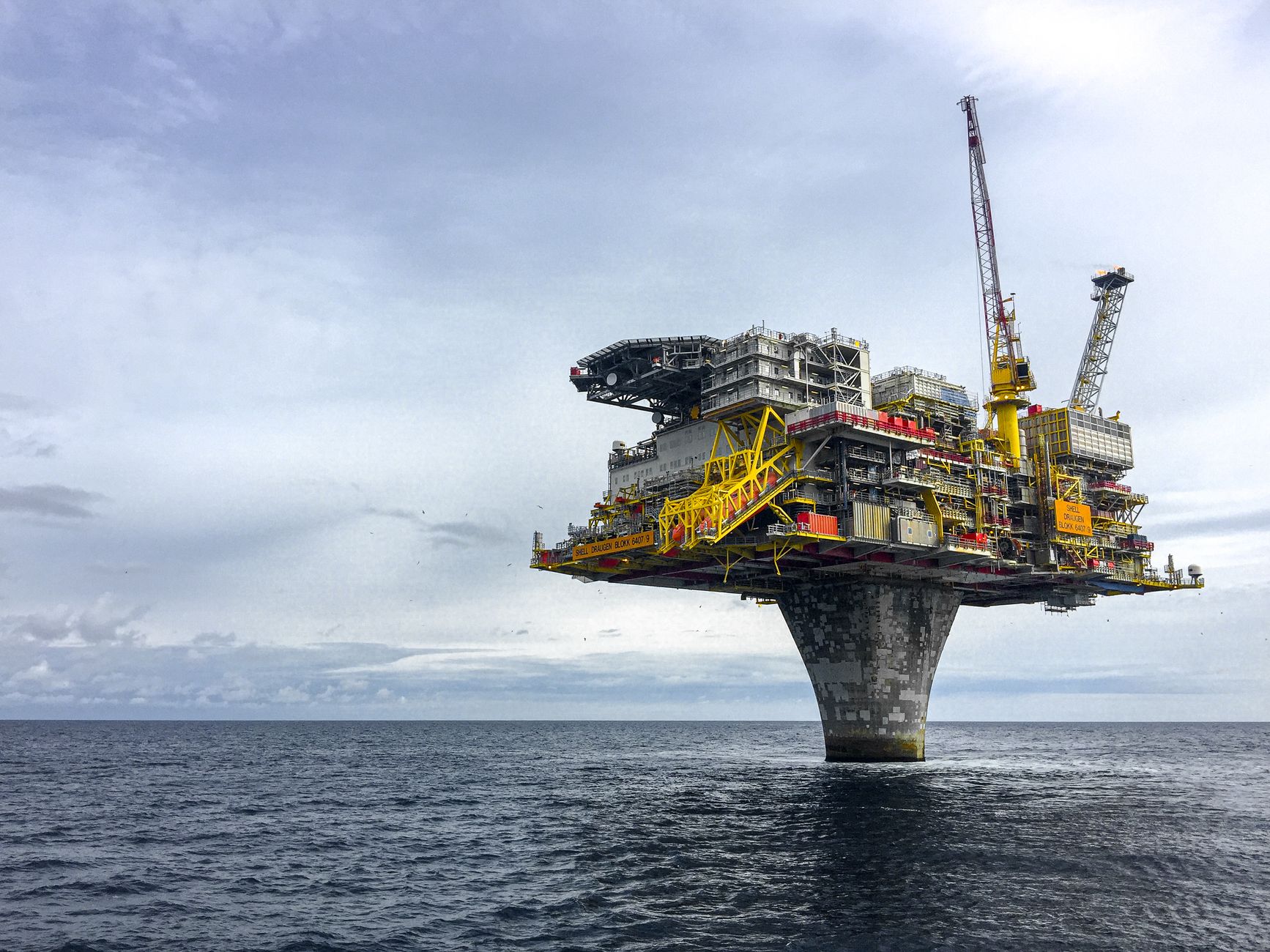

Prime Minister Andy Burnham appears set to adopt a more pragmatic approach to North Sea oil and gas, signalling a shift from Labour's previous opposition to new offshore developments. Reports suggest his government could support projects linked to existing infrastructure, including major fields such as Rosebank and Jackdaw, while maintaining the UK's commitment to net zero. The aim is to strengthen energy security, protect skilled jobs and reduce reliance on imported fuels as global energy markets remain volatile.
The proposed change has been welcomed by much of the offshore industry, which argues that domestic oil and gas production remains essential during the transition to cleaner energy. Supporters believe a more stable policy environment could encourage investment, safeguard thousands of jobs and help fund the UK's move towards offshore wind, carbon capture and hydrogen technologies. However, environmental groups warn that approving additional fossil fuel projects risks undermining Britain's climate commitments and delaying the shift to renewable energy.
Burnham's challenge will be to balance economic growth with environmental responsibility. While the North Sea is a mature basin with declining production, the sector remains strategically important to the UK economy. Whether this marks the beginning of a genuine revival for Britain's offshore industry or simply a managed transition to a low-carbon future will depend on how the government delivers its new energy strategy.
Discussion
No comments yet
Be the first to share your thoughts.
Join the discussion