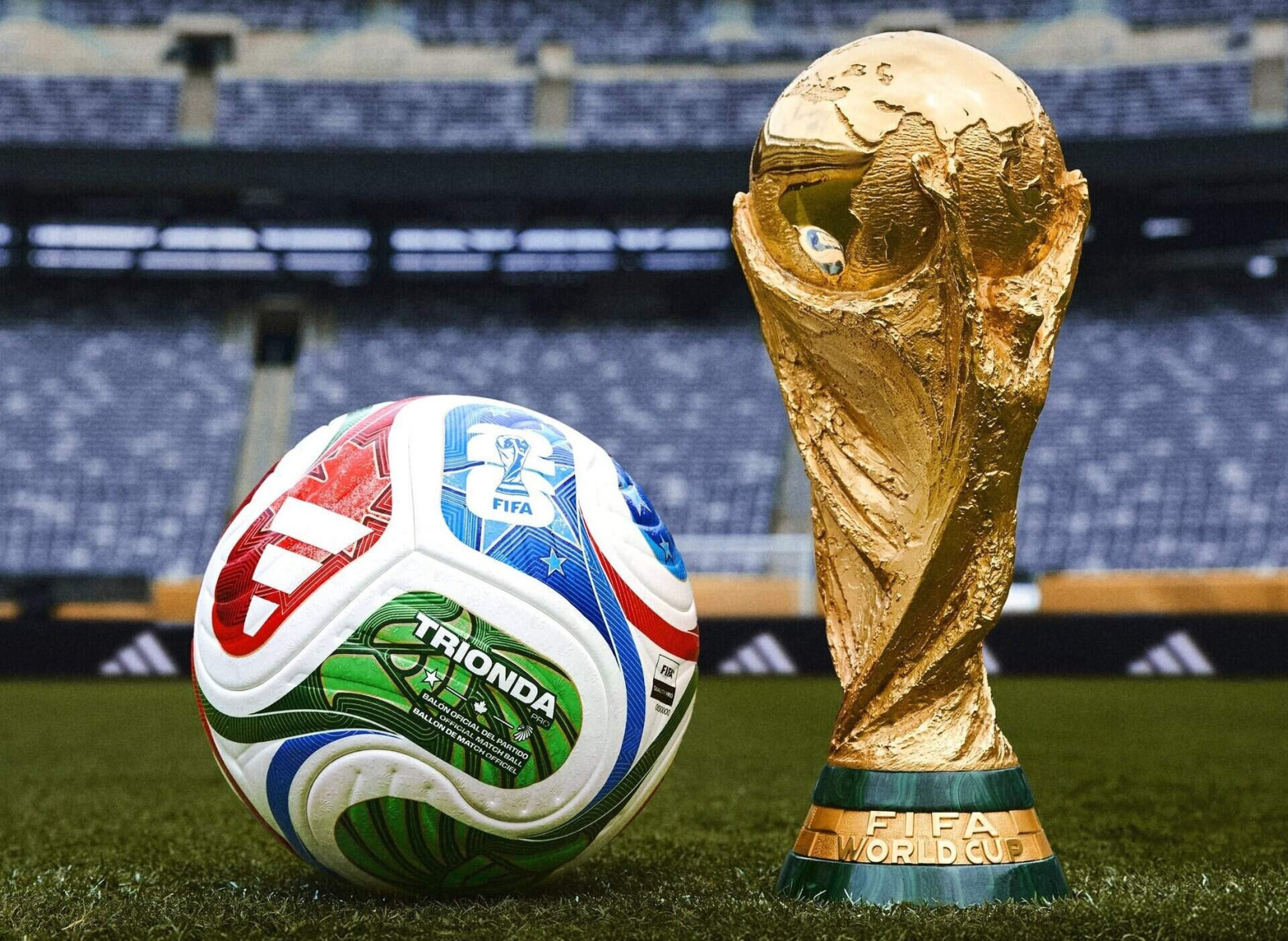

The 2026 FIFA World Cup was one of the biggest sporting events ever held, but it also came with a huge price tag. Hosted across the United States, Canada, and Mexico, the tournament is estimated to have cost around $14 billion in total when FIFA spending, host city investments, security, stadium upgrades, transport improvements, and other infrastructure costs are combined. Unlike previous World Cups, the three host nations were able to use many existing stadiums, helping to avoid the enormous construction costs seen at some past tournaments.
Despite the high costs, FIFA and host governments argued that the tournament would generate major economic benefits. Millions of fans travelled across North America to attend matches, boosting hotels, restaurants, transport services, and local businesses. FIFA projected billions of dollars in economic activity and hundreds of thousands of jobs linked to the event, while the expanded 48-team format and 104-match schedule made it the largest World Cup in history. However, some economists questioned whether the long-term financial benefits would fully match the enormous investment made by host cities and governments.
The 2026 World Cup also became one of FIFA's most valuable tournaments financially. FIFA budgeted nearly $8.9 billion in revenue for 2026, largely from broadcasting rights, sponsorships, hospitality, and ticket sales, while prize money and financial support for participating teams reached record levels. Although the event was expensive to stage, it demonstrated the growing commercial power of international football and highlighted how the World Cup has become not only the world's biggest football competition but also one of the largest sporting and business events on the planet.
Discussion
No comments yet
Be the first to share your thoughts.
Join the discussion