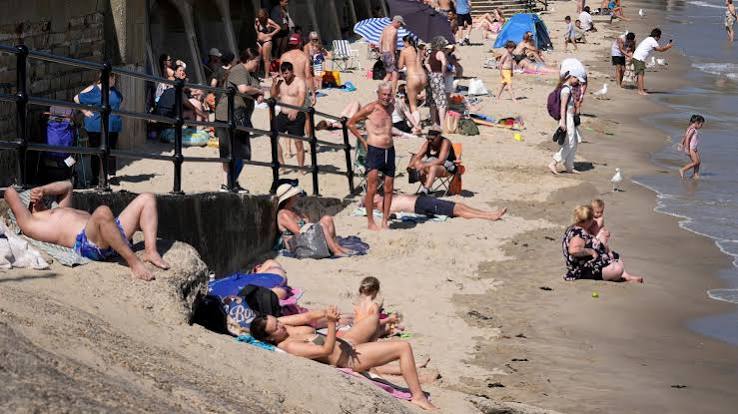
A severe heatwave gripping the UK has spread further north and west, with temperatures continuing to climb. The Met Office has issued a red warning for parts of Scotland and northern England, where temperatures are expected to reach 38 degrees Celsius by the end of the day. The heatwave, which began last week, has already caused widespread disruption to rail and road transport, with several major highways closed due to heat-related hazards. As the mercury rises, emergency services are bracing themselves for a surge in heat-related illnesses, with hospitals already reporting a significant increase in cases. Meanwhile, the government has come under pressure to take action, with opposition parties accusing ministers of failing to prepare adequately for the heatwave. The Environment Secretary has defended the government's response, pointing to the deployment of water tankers and other emergency measures. However, with temperatures showing no signs of abating, many Britons are wondering when the heatwave will finally break.
As the heatwave spreads, residents in affected areas are being advised to take extreme precautions to stay safe. This includes staying indoors during the hottest part of the day, drinking plenty of water and avoiding strenuous activity. The NHS has also issued guidance on heat-related illnesses, including signs and symptoms to look out for. With temperatures expected to remain high for several days, it is likely that the heatwave will continue to dominate the headlines. The impact on the economy is also beginning to be felt, with several major events and festivals cancelled or postponed due to the heat.
The heatwave has also had a significant impact on the country's wildlife, with many animals struggling to adapt to the extreme temperatures. Conservationists are warning that the heatwave could have long-term consequences for vulnerable species, including birds and insects. Meanwhile, farmers are bracing themselves for a potential crop disaster, with many areas experiencing severe drought. The government has promised to do everything it can to support affected farmers, but many are skeptical about the effectiveness of the measures. As the heatwave continues to grip the country, it remains to be seen how severe the impact will ultimately be.
The heatwave has sparked a heated debate about the UK's preparedness for extreme weather events. Critics argue that the government has failed to invest adequately in flood defences and other measures to protect the public from extreme weather. The Environment Secretary has defended the government's record, pointing to significant investments in flood defences and other measures. However, with the heatwave showing no signs of abating, it is clear that the government has a major challenge on its hands. As the country struggles to cope with the heat, many are wondering what the long-term consequences will be.
Discussion
No comments yet
Be the first to share your thoughts.
Join the discussion